
Monday 11th December 2023: After their successful launch of their ELECTRIFLYING launch event at the Business Aviation Centre in Norwich last Month, Carbon Charter member SaxonAir have continued to lead the industry by being one of the earliest operators of the world’s first certified electric plane.
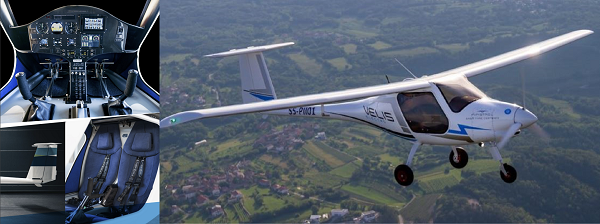
Saxon Air were established in 2007 and initially had just five staff, one helicopter, and one jet. Acquired by Klyne Aviation Group in 2009, the company expanded its fleet and staff expertise. Recognised as the preferred handling agent at Norwich Airport in 2010, Saxon Air developed the multi-million-pound Business Aviation Centre. Over the past decade, the company has grown and diversified its services, now boasting a dedicated team of over 50 people.
The addition of a fully electric option is only the latest in a long line of sustainability focused commitments. They actively pursue Net Zero targets, prioritizing practical solutions to mitigate environmental impacts. Beyond the aviation, they champion sustainability initiatives in a wide range of industry sectors.
They also promote electric-propulsion training through the Net Zero General Aviation Training Group.
Saxon Air kindly invited me to sample an experience flight powered purely by electrons for myself.
Now, I am fortunate enough to have flown in almost every kind of aircraft out there but nothing had prepared me for the instant start up of the relatively small electric motor at the front of the Pipistrel Velis Electro.
This two seat, high wing light aircraft has a fixed pitch propeller which came to a complete stop as we waited on the taxiway. The similar sized but conventionally powered monoplane in front of us had their prop turning while holding the plane stationary as the noisy engine idled wastefully.
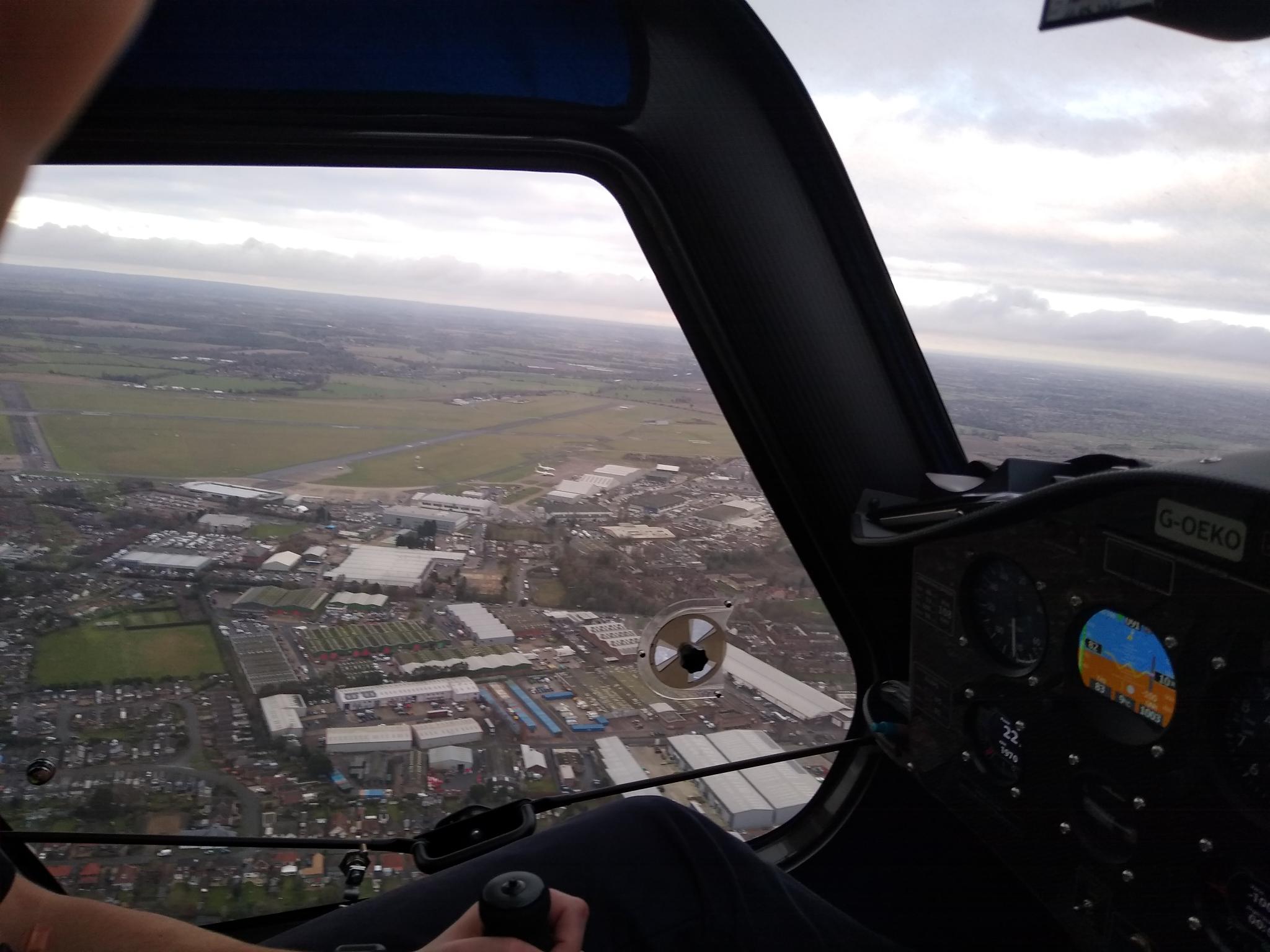
Lining up on the runway centreline, the motor spun up to maximum power and the little plane accelerated. At lift off, it almost felt as if it popped off the tarmac into the air, as the ground effect allowed the relatively generous wing area to generate enough lift for the ascent into the rather grey skies over Norwich Airport.
What struck me most was the lack of noise, vibration and harshness. Even in the quite blustery crosswinds the Velis Electro felt smooth and calm. Belying the fact that every aircraft is at the mercy of the weather to some extent. The view from the almost completely transparent perspex doors was panoramic and it was a real delight to see Norwich from the air in such surreal peace compared to other smaller aircraft I have been in.
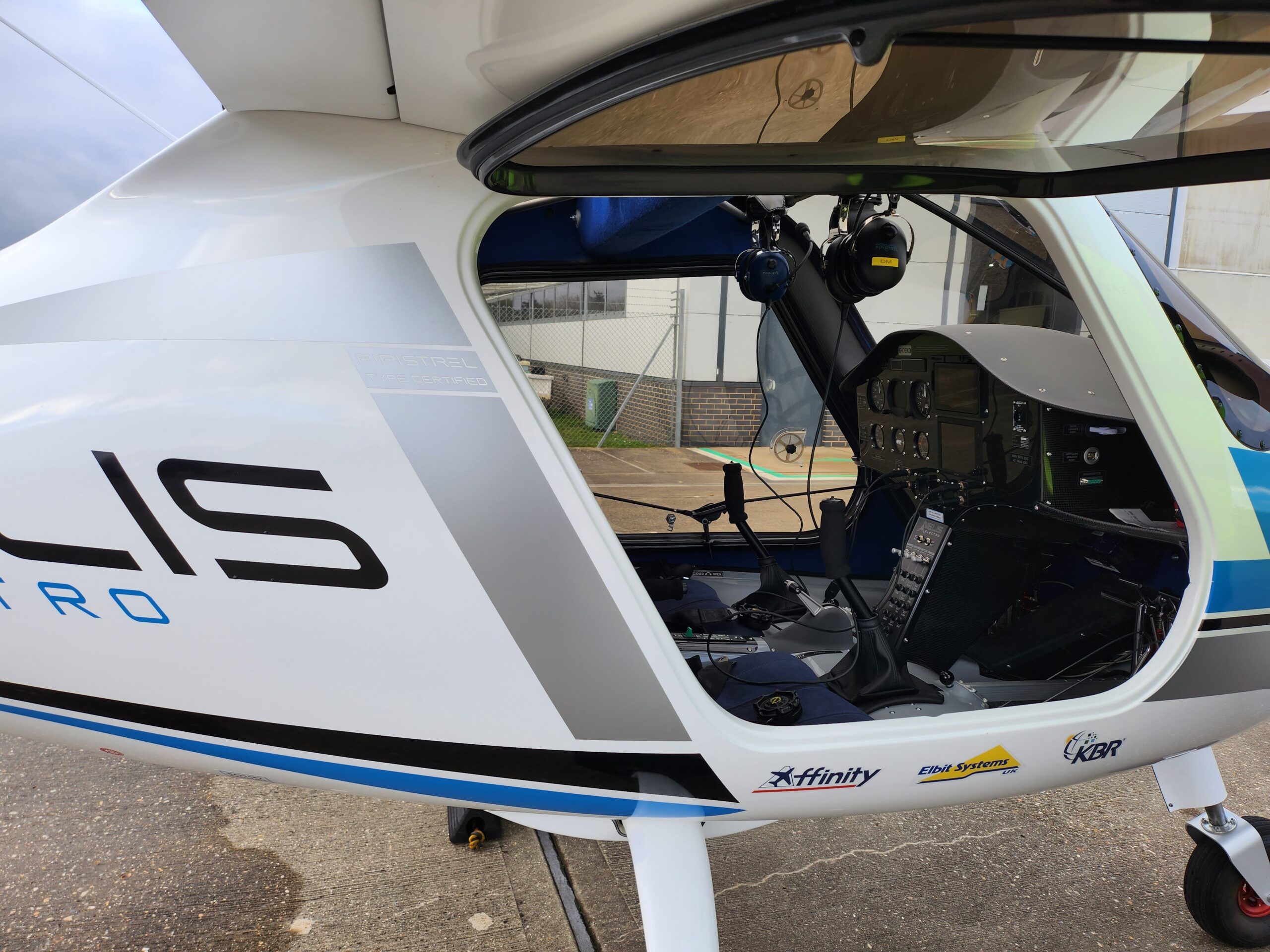
Returning to Earth, we discussed more about the technical aspects of this pioneering technology. The Velis Electro is apparently very simple to maintain. The powertrain has a much lower number of moving parts and the time between overhaul/replacement of the motor is much longer than that of a piston engine.
The pilots, ground crew and staff are gaining invaluable experience in dealing with electric powertrains as, in a similar way to what is happening with the growing market share of electric cars, the trend will only increase as the next generations of electric aircraft grow in capability and in number.
Full details of the Pipistrel Velis Electro (including the brochure) can be seen on the manufacturer’s website HERE
Saxon Air are a pivotal organisation in the sector. Get in contact with them to discover the latest innovations, connect with industry experts, and be part of the conversation that will shape the future of air travel. Whether they can help you with your aviation needs, you’re an aviation enthusiast, a technology enthusiast, or simply curious about the future of flight, Saxon Air are one to watch. See their website at https://saxonair.com/
I would like to thank Rebekah, Miles and all of the Team at SaxonAir for their hospitality and assistance in the writing of this article.